
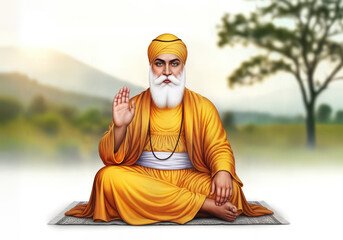
Many naïve Sikhs believe that Baba Nanak was literally God Almighty, the creator of the universe in human form (incarnation). An example of such teaching circulating on the Internet is reproduced below from a Sikh Discussion forum. A devastating refutation follows.
There’s a huge misconceptioin in the Sikh community that Sri Guru Nanak Dev Ji was merely a “messenger” or “son” of God. This notion comes from the influence of the Abrahamic religions, and is an unfortunate testament to the colonized mindset of Sikhs today.
Sri Guru Nanak Dev Ji is Akal Purakh’s full and complete Avtar, roop, and jot. He is fully and absolutely Vaheguru.
He is the Aad Guru and the full manifestation of Akal Purakh since the very beginning of time:
ਆਦਿ ਅੰਤਿ ਏਕੈ ਅਵਤਾਰਾ ॥ ਸੋਈ ਗੁਰੂ ਸਮਝਿਯਹੁ ਹਮਾਰਾ ॥੩੮੫॥
There is only one manifestation (of God) in the beginning and the end.
He is the one whom I consider my Guru.
Please see the Gurbani parmaans below:
ਗੁਰੁ ਨਾਨਕੁ ਨਾਨਕੁ ਹਰਿ ਸੋਇ ॥੪॥੭॥੯॥
Nanak is the Guru; Nanak is God Himself. ||4||7||9||
ਗੁਰ ਨਾਨਕ ਦੇਵ ਗੋਵਿੰਦ ਰੂਪ ॥੮॥੧॥
Guru Nanak Dayv is the manifest form of the Lord of the Universe. ||8||1||
ਜੋਤਿ ਰੂਪਿ ਹਰਿ ਆਪਿ ਗੁਰੂ ਨਾਨਕੁ ਕਹਾਯਉ ॥
The Embodiment of Light, the Lord Himself is called Guru Nanak.
ਆਪਿ ਨਰਾਇਣੁ ਕਲਾ ਧਾਰਿ ਜਗ ਮਹਿ ਪਰਵਰਿਯਉ ॥
The Lord Himself wielded His Power and entered the world [as Guru Nanak Dev Ji
– this Pangti from Bhatt Svaiyey is about Guru Nanak Dev Ji]
Also see Bhai Gurdas Ji Vaaran:
ਇਕੁ ਬਾਬਾ ਅਕਾਲ ਰੂਪੁ ਦੂਜਾ ਰਬਾਬੀ ਮਰਦਾਨਾ।
Firstly, Baba himself was the physical form of the Timeless Lord and secondly, he had his companion Mardana, the rebeck player.
As well as Bhai Nand Lal Ji Vaaran:
ਗੁਰੂ ਨਾਨਕ ਆਮਦ ਨਰਾਇਨ ਸਰੂਪ
Guru Nanak is the complete manifestation of Akaalpurakh,
ਹਮਾਨਾ ਨਿਰੰਜਨ ਨਿਰੰਕਾਰ ਰੂਪ ॥ ੧ ॥
Without doubt, he is the form of the Formless, Immaculate one. (1)
It’s time for Sikhs to abandon their inferiority complex and embrace the true reality of the Supreme One, Dhan Dhan Sri Guru Nanak Dev Ji Patshah – king of the world, creator of the world, and master of the universe.
__________________________________________________________________________________________________________
REFUTATION: Baba Nanak is not God
1) Nanak never once claimed: “I am God.”
If Nanak were God incarnate, we would expect clarity, command, self-identification, and worship claims—just as Jesus openly stated:
“Before Abraham was, I AM.” (John 8:58)
“He who has seen Me has seen the Father.” (John 14:9)
Nanak never said anything equivalent to
“I am the Creator,” “Worship me,” “I alone am the Lord,” etc.
Instead, he repeatedly:
• speaks about God
• points toward God
• identifies himself only as servant, bard, slave, messenger
The claim “Nanak is God” is a post-fact theological inflation, not his self-understanding.
2) The article claim hinges on selective, late, and second-hand sources
The post appeals to Bhatt Savaiye, Nand Lal, and Vaaran. These are not Nanak’s own words. They are devotional later praise poems—not ontological claims.
As the article itself admits, the argument depends heavily on Bhatt poetic hyperbole such as:
“Guru Nanak Dayv is the manifest form of the Lord of the Universe…”
This is praise language, not metaphysics. Bhagats routinely praise Buddha, Rama, Krishna, and others as “Lord,” yet Sikhs do not consider them literal, exclusive incarnations of God.
Thus, this argument commits the fallacy of equivocation: taking eulogistic poetry as literal ontology.
3) Nanak explicitly distinguishes himself from God
Nanak habitually refers to:
• God = the true Lord
• Nanak = servant/messenger/singer
If Nanak were God, such distinction would be incoherent.
Example AG (Adi Granth) patterns:
“Nanak speaks the command of God.”
This necessarily implies two distinct subjects:
- God, origin of the command
- Nanak, recipient delivering the message
A messenger ≠ the sender.
Jesus—by contrast—claims identity with God.
Nanak never does.
In the AG, Baba Nanak repeatedly describes himself as a paapi (sinner) and unworthy servant, never as God.
• “ਮੈ ਪਾਪੀ ਮਹਾ ਅਤਿ ਘੋਰ — I am a great and grievous sinner” (AG p. 662)
• “ਪਾਪੀ ਨਿਰਗੁਣੁ ਨਾਨਕੁ ਆਇਆ ਤੁਧੁ ਸਰਣੀ ਆਇਆ — The sinner Nanak, without virtue, has come and sought Your refuge” (AG p. 580)
• “ਹਉ ਪਾਪੀ ਪਾਪੀ ਭਰੀ ਐ ਪਾਪੀ ਜਨਮੁ ਗਵਾਇਆ — I am sinful, filled with sin; in sin I have wasted my life” (AG p. 1195)
These confessions annihilate any notion that Nanak claimed to be divine. No true incarnation of God would repeatedly call himself a sinner needing grace.
Therefore, the claim “Nanak is God” not only contradicts Sikh metaphysics but also Nanak’s own testimony, his explicit self-understanding in the AG that trumps any later devotional hagiographic fabricated accretions.
In absolute contrast, Jesus openly claimed sinlessness (“Which one of you convicts Me of sin?” John 8:46) and this claim was verified by multiple independent eyewitnesses whose testimony is historically uncontested, empirically traceable, and sealed by their willingness to suffer and die rather than deny what they saw.
4) The argument contradicts the repeatedly claimed Sikh position that:
God is:
• unborn
• without body
• without incarnation
• never takes birth
If so, how can Nanak—born in 1469—be God?
If incarnation is denied, then claiming Nanak as incarnation is an internal contradiction.
This is the Sikh version of the Law of Non-Contradiction problem.
Either:
- God never takes form → Nanak is not God, or
- Nanak is God → God does take form → Sikh metaphysics collapses into Vaishnavism
You cannot logically hold both simultaneously.
Guru Gobind Singh – warning against calling a human guru God.
Additionally, in the Bachittar Natak (Dasam Granth) Guru Gobind Singh states:
ਜੋ ਹਮ ਕੋ ਪਰਮੇਸਰ ਉਚਰਿ ਹੈ ॥ ਤੇ ਸਭਿ ਨਰਕਿ ਕੁੰਡ ਮਹਿ ਪਰਿਹੈਂ ॥
ਮੋ ਕੌ ਦਾਸ ਤਵਨ ਕਾ ਜਾਨੋ ॥ ਯਾ ਮੈ ਭੇਦ ਨ ਰੰਚ ਪਛਾਨੋ ॥ ੩੨॥
jo ham ko parmesar ucharihai || te sabh narak kund mehi parihai ||
mo kau dās tvan kā jānō || yā mai bhed na rañch pachānō || 32 ||
“Whosoever shall call me the Lord (God), shall fall into the pit of hell.
Consider me as His servant; recognise no distinction, no pride.”
(Bachittar Natak, Dasam Granth).
This is a direct and authoritative warning from Guru Gobind Singh against treating the human guru as God. It undercuts any claim that the guru is to be worshipped as the Divine.
5) The argument is self-refuting
The article text asserts:
“There is only one manifestation… He is the one whom I consider my Guru.”
This verse is not Nanak speaking about himself—
Sikhs routinely misattribute third-person references as first-person claims.
If I say, “Socrates is wisdom” that does not mean Socrates claimed divinity. It is someone praising him.
This confusion is a category error.
6) The argument wrongly treats “jot” as “person”
Sikhs claim:
“Same jot in different gurus…”
Even if we accept their premise, this would not logically mean:
• Nanak = God
it only means
• Nanak participates in divine illumination
Christian analogy:
• Prophets reflect God’s message
• They are not God
The “jot” rhetoric proves at most derivation, not identity.
7) Early Sikh history disproves the claim
If Nanak were God, then:
• Why did he appoint successors rather than demand worship?
• Why did none of his successors call themselves God?
• Why did Sikhs not worship him as God for centuries?
The earliest Sikh documents (pre-18th c.) do not teach Nanak’s deity.
This is a late doctrinal development—a classic phenomenon of religious mythologizing, seen in Buddhism (Buddha → deity), Jainism (Mahavira → deity), etc.
It reflects devotional escalation, not original teaching.
8) The rhetoric parallels Hindu avatars—not Sikh metaphysics
To call Nanak:
• “Roop,”
• “Avtar,”
• “Manifestation of God”
is indistinguishable from claiming
• Krishna is Vishnu
• Rama is God
This collapses Sikh doctrine into Hindu avatarism— something most Sikhs categorically reject.
Thus, the “Nanak is God” faction destroys the distinctiveness of Sikh theology.
9) Jesus alone makes the coherent incarnation claim
The contrast is massive:
| Jesus | Nanak | |
| Explicit divine self-claim | YES | NO |
| Accepts worship | YES | NO |
| Speaks as God | YES | NO |
| Says He forgives sins as God | YES | NO |
| Claims pre-existence | YES | NO |
| Performs signs as divine authority | YES | ambiguous / folkloric |
| Resurrection | YES | NO |
The Christian claim is textually and historically grounded. Sikhism’s is devotional retro-projection.
Conclusion
The claim “Guru Nanak Dev is God” is:
• Textually unsupported
• Historically anachronistic
• Theologically contradictory
• Based on poetic hyperbole, not Nanak’s own words
• A re-absorption of Nanak into Vaishnava-style avartarvada (avatarism).
• Inconsistent with Sikh claims about God being unborn, without form, and non-incarnating
It lacks philosophical coherence.
If Sikhs adopt the view “Nanak is God,” then Sikh metaphysics must concede incarnation, at which point Christianity’s historical incarnation in Jesus stands alone with evidence, theological coherence, and explicit self-claim.
Thus the claim that Baba Nanak is God is logically refuted and therefore false.
Respectfully, this is a reactionary myth, not original Sikh doctrine.
Jasvir Singh Basi
(founder of Truthsikhers.com)



No Comment! Be the first one.